The Four Main Types of Real Estate
Real estate professionals group properties into four broad categories. Each one carries its own rules, buyers, and income potential.
Residential Real Estate
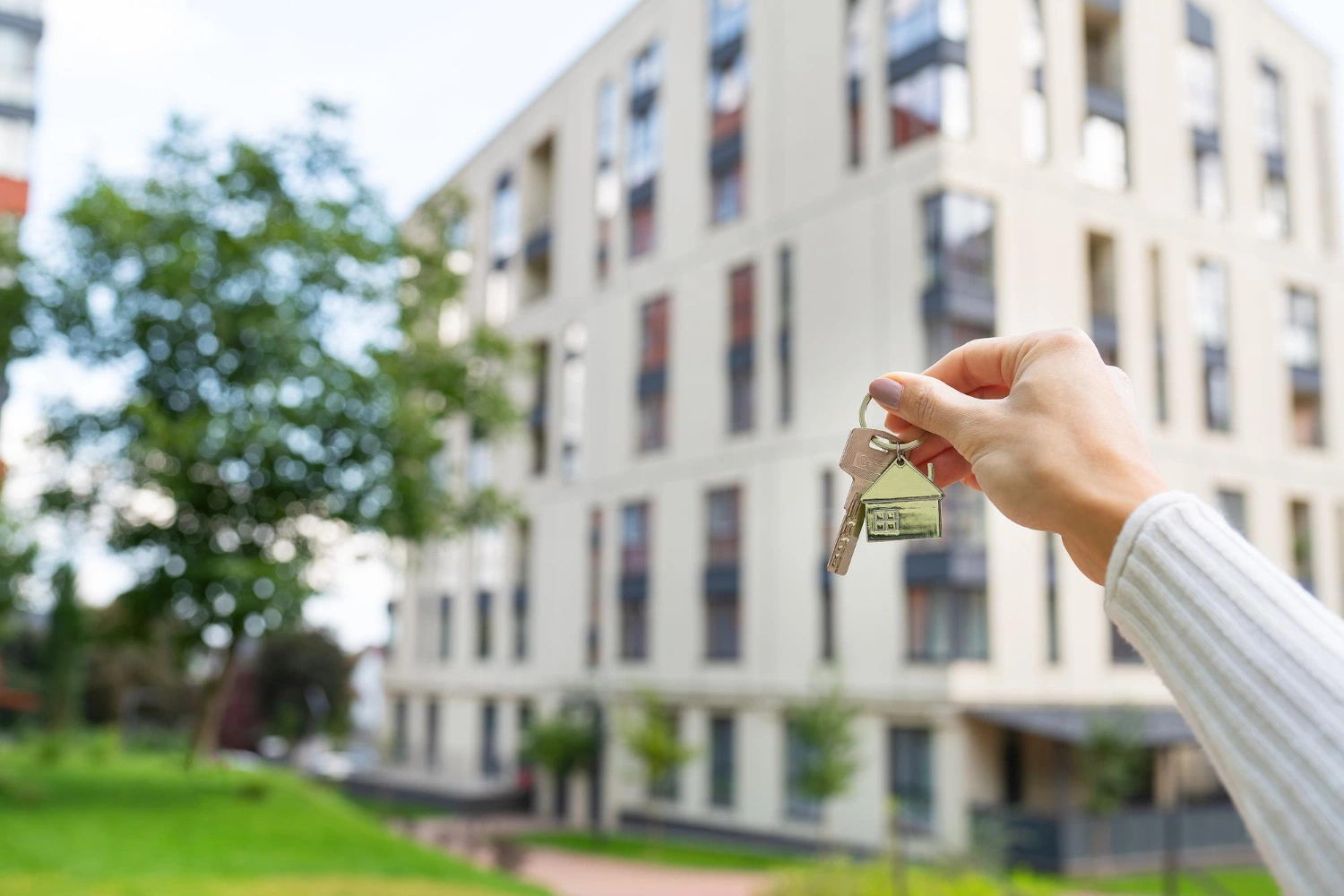
Residential property is built for people to live in, and it covers everything from single-family homes to sprawling apartment complexes. You will find condos, townhouses, duplexes, and vacation homes under this umbrella.
Most first-time buyers start here because financing is more accessible. Lenders offer a wider range of mortgage products for residential purchases than for any other category.
Rental demand in this segment tends to stay steady, since people always need a place to live. That stability makes residential property a common entry point for new investors.
If you are weighing your first purchase, residential real estate usually offers the shortest learning curve.
Commercial Real Estate
Commercial property is leased or sold to businesses rather than individual residents. Office buildings, retail centers, and hotels all sit in this category.
Leases here tend to run longer than residential leases, often three to ten years. That gives you more predictable income once a tenant signs on.
Commercial deals also demand more capital upfront and a sharper understanding of local business trends. Vacancy rates, foot traffic, and zoning laws all shape your return.
You typically need larger financing and a stronger track record to break into commercial ownership.
Industrial Real Estate
Industrial property includes warehouses, manufacturing plants, and distribution centers. These spaces support production, storage, and logistics rather than daily foot traffic.
Demand in this segment has grown fast alongside e-commerce, since online retailers need space to store and ship goods. Many industrial tenants sign long-term leases to secure their operations.
You will find fewer moving parts here than in retail or office space. Tenants care about square footage, ceiling height, and loading access more than curb appeal.
Industrial assets often require less day-to-day management, which appeals to hands-off investors.
Land and Special Purpose Real Estate
Raw land sits apart from developed property, since it has no structures on it yet. You might buy land to farm it, hold it, or build on it later.
Special purpose real estate includes assets built for one specific function, such as churches, schools, or self-storage facilities. These properties are harder to repurpose if the original use no longer fits.
Land purchases carry unique risks around zoning, permits, and utility access. You need to confirm what you can legally build before you commit any money.
Both categories reward patience, since returns often depend on long-term appreciation rather than immediate income.